
Not all crochet is created equal – and once you know what to look for, you’ll never mistake machine-made for the real deal again.
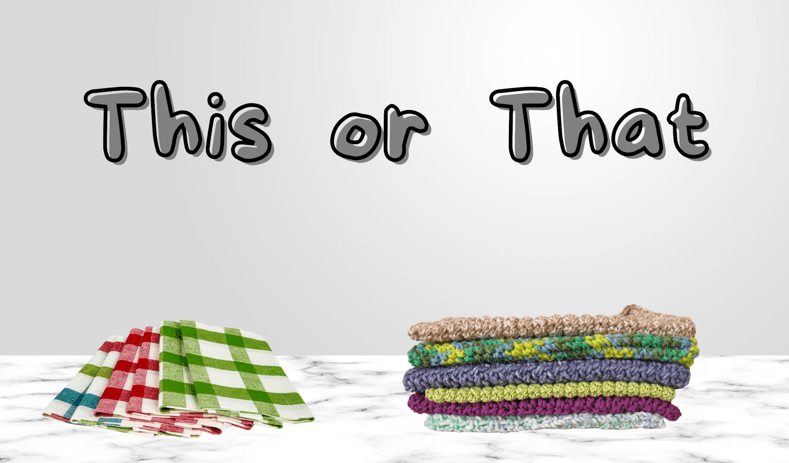
“Can machines actually crochet?” It’s one of the most common questions we get at markets, usually asked by someone holding one of our dishcloths, running their fingers over the stitches with a puzzled expression. The short answer? Sort of, but not really. The long answer? Well, grab a cup of tea because this is where things get interesting.
The Great Crochet Mystery Solved
Here’s the thing that surprises most people: true crochet cannot be replicated by machine. Unlike knitting, which uses multiple active stitches that machines can manipulate, crochet works with just one active loop at a time. This fundamental difference means that what people call “machine crochet” is actually machine knitting designed to look like crochet.
Think of it like this – hand-crochet is like handwriting with a pencil, creating each letter individually. Machine “crochet” is more like a computer font that mimics handwriting. It might look similar from a distance, but up close, the differences are unmistakable.
Spotting the Real Deal: Your Detective Guide
The Stretch Test: Pick up the item and gently stretch it in different directions. Hand-crocheted pieces have a distinctive give and structure – they stretch differently along the grain versus across it. Machine-made items often stretch uniformly in all directions, or have an artificial stiffness that feels wrong in your hands.
The Stitch Hunt: Look closely at individual stitches. In hand crochet, you can follow the path of the yarn through each stitch – over, under, through, and around. Each stitch is a complete little knot. In machine-made pieces, the “stitches” are often just yarn laid over a knitted base, creating the appearance of crochet without the actual structure.
The Edge Examination: Real crochet edges are finished as part of the construction process. The border stitches are worked into the body of the piece, creating an integrated edge. Machine-made items often have edges that look added on, or borders that don’t quite line up with the body pattern.
The Back Story: Flip the item over. Hand-crocheted pieces look intentional from both sides – the back might look different from the front, but it has its own logical structure. Machine-made pieces often have messy backs with loose threads, knots, or obviously industrial finishing.
What This Means for You (Beyond Just Bragging Rights)
Durability That Actually Matters: Our dishcloths that I made ten years ago that are still in daily rotation. The interlocking structure of true crochet stitches means that if one stitch gets damaged, it doesn’t create a run that destroys the whole piece. Machine-made items, with their knitted base structure, are more vulnerable to snags and runs.
The Repair Factor: Damaged hand crochet can often be repaired by someone who knows the craft. You can pick up dropped stitches, patch holes, or even add new sections. Machine-made pieces? Once they’re damaged, they’re usually destined for the trash bin.
Shape Memory: Hand-crocheted items “remember” their shape better. After washing, they return to their original dimensions because each stitch was formed individually with consistent tension. Machine-made pieces often lose their shape over time as the simulated structure relaxes.
The Feel-Good Factor (That You Can Actually Feel)
There’s something about the texture of genuine hand crochet that machine production can’t replicate. It’s in the slight irregularities that come from human hands working yarn, the way the stitches nestle together just so, the satisfying weight and drape that only comes from properly tensioned handwork.
Temperature Matters: Hand-crocheted cotton dishcloths have better absorbency and scrubbing power because the individual stitch structure creates more surface area and better water retention. Machine-made alternatives often feel slippery when wet or don’t hold soap the same way.
The Squeeze Test: Crumple up a hand-crocheted item in your fist, then release it. Notice how it springs back, how the stitches readjust and settle. Machine-made pieces tend to hold wrinkles or bounce back too quickly, lacking that organic response to handling.
The Economics of the Real Thing
“But machine-made is so much cheaper!” True, and there’s a reason for that. Machine production prioritizes speed and uniformity over quality and longevity. When you calculate cost-per-use over the lifetime of the item, hand-crocheted pieces often come out ahead.
The Math That Matters:
- Cheap machine dishcloth: $2, lasts 6 months = $4 per year
- Hand-crocheted dishcloth: $8, lasts 5+ years = $1.60 per year (and gets better with age)
Plus, you’re supporting actual human beings who’ve spent years mastering their craft, rather than feeding the fast-fashion machine that’s choking our planet with disposable goods.
The Story Stitches Tell
Perhaps the most important difference isn’t visible or measurable – it’s emotional. Every hand-crocheted piece carries the story of its maker. The rhythm of their hands, the choices they made, the care they took. WhenI work on a custom order, I am not just manipulating yarn – I am putting intention into every stitch.
Machine-made items tell a different story: efficiency, uniformity, profit margins. There’s nothing wrong with that story, but it’s not the same story. When you choose hand-crocheted, you’re choosing to be part of a narrative that values skill, patience, and human connection over speed and convenience.
Making the Choice That’s Right for You
I’m not here to shame anyone for buying machine-made items. Sometimes budget constraints are real, sometimes immediate need trumps long-term value. But I believe in informed choices. When you know the difference between genuine hand crochet and machine imitation, you can make decisions that align with your values and needs.
Questions to Ask Yourself:
- How long do I need this item to last?
- Am I buying this once, or will I need to replace it repeatedly?
- Is supporting traditional craft skills important to me?
- Do I care about the environmental impact of my purchase?
Ready to experience the difference for yourself? Visit our booth at upcoming markets where you can touch, stretch, and examine genuine hand-crocheted items. Once you feel the difference, you’ll understand why our customers keep coming back for the real thing.
Have you ever been surprised by the quality difference between hand-made and machine-made items? We’d love to hear about your experiences with both!
 tiedupinknots.ca
Leave a comment